Travel insurance is a crucial aspect of planning any trip, whether it’s a weekend getaway or an extended journey abroad. At its core, travel insurance is designed to protect travelers from unforeseen events that could disrupt their plans or lead to financial loss. Typically, it covers a range of scenarios, including trip cancellations, lost luggage, medical emergencies, and even personal liability.
I’ve come to realize that having this safety net can make all the difference in ensuring a smooth travel experience. When I first started traveling, I underestimated the importance of travel insurance. I thought it was an unnecessary expense, but after hearing stories from friends who faced unexpected challenges—like flight cancellations or medical emergencies abroad—I quickly changed my mind.
The peace of mind that comes with knowing I’m covered in case of an emergency is invaluable. Whether it’s a missed flight due to bad weather or an unexpected illness while exploring a new city, having travel insurance means I can focus on enjoying my trip rather than worrying about what might go wrong.
Key Takeaways
- Travel insurance covers a range of unexpected events such as trip cancellations, medical emergencies, and lost luggage, providing peace of mind for travelers.
- Traveling without insurance can lead to financial burdens from unexpected medical expenses and trip cancellations, as well as potential difficulties in accessing emergency assistance.
- When choosing a travel insurance plan, factors to consider include the destination, length of trip, activities planned, and pre-existing medical conditions.
- Common misconceptions about travel insurance, such as it being unnecessary or too expensive, are debunked by the benefits it provides in protecting travelers from unforeseen circumstances.
- Travel insurance provides peace of mind by offering emergency assistance and medical coverage, ensuring that travelers can access help when needed during their trip.
- Emergency assistance and medical coverage are crucial components of travel insurance, providing support and financial protection in the event of unexpected medical emergencies while traveling.
- Tips for making a travel insurance claim include understanding the policy coverage, keeping documentation of expenses, and contacting the insurance provider as soon as possible after an incident.
- The future of travel insurance includes trends and innovations such as digital platforms for purchasing and managing policies, as well as tailored coverage for specific travel needs.
The Risks of Traveling Without Insurance: Financial and Medical Consequences
Traveling without insurance can expose me to significant risks that I might not fully appreciate until it’s too late. One of the most pressing concerns is the financial burden that can arise from unexpected events. For instance, if I were to cancel my trip due to a family emergency or illness, I could lose the money spent on flights and accommodations.
Without insurance, those costs would be entirely out of pocket, which can be a hefty sum depending on the destination and duration of my trip. Moreover, the medical consequences of traveling without insurance can be dire. If I were to fall ill or sustain an injury while abroad, the cost of medical treatment can skyrocket, especially in countries where healthcare is expensive.
I’ve read about travelers who faced thousands of dollars in medical bills after minor accidents or illnesses because they didn’t have coverage. The thought of being stranded in a foreign country without access to necessary medical care is daunting, and it reinforces my belief that travel insurance is not just an option but a necessity.
Choosing the Right Travel Insurance Plan: Factors to Consider

When it comes to selecting the right travel insurance plan, there are several factors I need to consider to ensure I’m adequately protected. First and foremost, I evaluate the coverage options available. Different plans offer varying levels of protection, so I take the time to read through the details carefully.
For instance, some policies may provide comprehensive coverage for trip cancellations and interruptions, while others may focus primarily on medical expenses. Understanding what each plan covers helps me make an informed decision. Another critical factor is the destination of my travels.
Certain regions may have specific risks associated with them, such as higher rates of medical emergencies or natural disasters. I’ve learned that it’s essential to choose a plan that aligns with the potential risks of my destination. Additionally, I consider my personal health and any pre-existing conditions that may require special attention in my coverage.
By taking these factors into account, I can select a travel insurance plan that best suits my needs and provides me with the necessary protection for my journey.
Common Misconceptions About Travel Insurance: Debunking Myths
Despite its importance, there are several misconceptions about travel insurance that often deter travelers from purchasing it. One common myth is that travel insurance is only necessary for international trips. However, I’ve discovered that domestic travel can also come with its own set of risks.
Whether I’m traveling across state lines or visiting a neighboring country, unexpected events can still occur, making insurance a wise investment regardless of the distance. Another misconception is that travel insurance is too expensive and not worth the cost. While it’s true that prices can vary based on coverage levels and trip duration, I’ve found that many affordable options are available.
In fact, when I weigh the potential costs of unforeseen events against the price of insurance, it becomes clear that investing in coverage is a smart financial decision. By debunking these myths, I encourage fellow travelers to consider travel insurance as an essential part of their trip planning rather than an optional add-on.
How Travel Insurance Provides Peace of Mind for Your Trip
One of the most significant benefits of having travel insurance is the peace of mind it offers me as I embark on my adventures. Knowing that I have a safety net in place allows me to relax and fully immerse myself in the experience without constantly worrying about what could go wrong. Whether I’m exploring ancient ruins or lounging on a beach, I can enjoy each moment with confidence, knowing that I’m protected against unexpected challenges.
Additionally, travel insurance provides reassurance not just for me but also for my loved ones back home. If something were to happen during my trip—such as a medical emergency or trip cancellation—they would know that I have support and resources available to help me navigate the situation. This sense of security enhances my overall travel experience and allows me to focus on creating lasting memories rather than stressing over potential pitfalls.
The Importance of Emergency Assistance and Medical Coverage in Travel Insurance
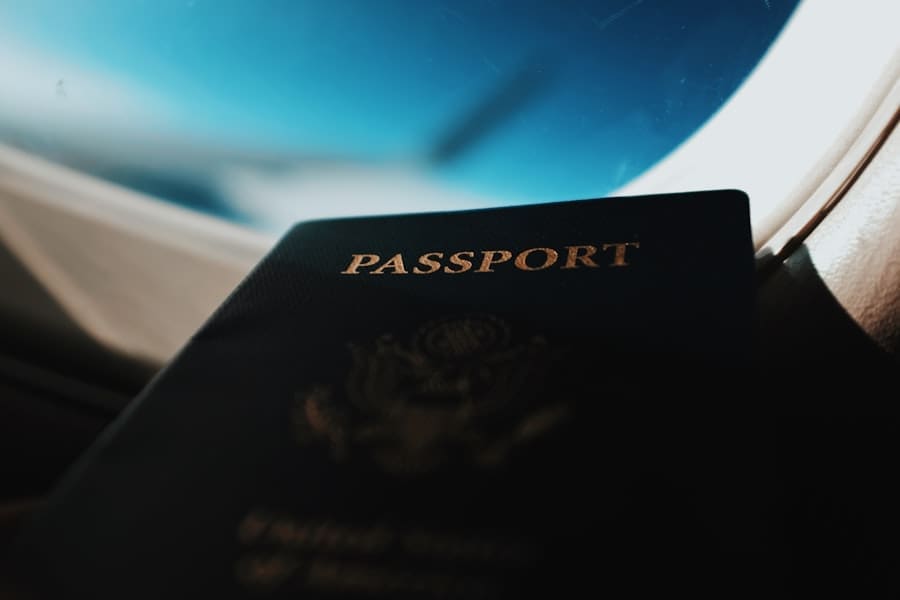
Emergency assistance and medical coverage are two critical components of any travel insurance policy that I prioritize when selecting a plan. In the event of a medical emergency while traveling, having access to immediate assistance can be life-saving. Many policies offer 24/7 emergency assistance hotlines that connect me with medical professionals who can provide guidance and support in navigating local healthcare systems.
Moreover, medical coverage ensures that I won’t face exorbitant out-of-pocket expenses if I require treatment while abroad. From minor injuries to serious illnesses, having this coverage means I can seek necessary care without the added stress of worrying about costs. I’ve learned that understanding the specifics of what my policy covers—such as hospitalization, emergency evacuations, and repatriation—can make all the difference in ensuring my safety and well-being during my travels.
Tips for Making a Travel Insurance Claim: What You Need to Know
If I ever find myself in a situation where I need to make a travel insurance claim, there are several important steps I should follow to ensure a smooth process. First and foremost, I always keep detailed records of any incidents that occur during my trip. This includes saving receipts for medical expenses, documenting any cancellations or delays, and taking photos if applicable.
Having this information readily available will help substantiate my claim and expedite the process. Additionally, I’ve learned that it’s crucial to notify my insurance provider as soon as possible after an incident occurs. Many policies have specific timeframes within which claims must be filed, so being proactive is essential.
When submitting my claim, I make sure to provide all necessary documentation and follow any instructions provided by the insurer carefully. By staying organized and informed throughout the claims process, I can increase my chances of receiving timely compensation for any covered losses.
The Future of Travel Insurance: Trends and Innovations in the Industry
As the travel industry continues to evolve, so too does travel insurance. One trend I’ve noticed is the increasing integration of technology into insurance offerings. Many companies now provide mobile apps that allow travelers to manage their policies easily, file claims digitally, and access emergency assistance at their fingertips.
This technological advancement enhances convenience and accessibility for travelers like me who are always on the go. Another innovation in the industry is the rise of customizable travel insurance plans. Insurers are beginning to recognize that every traveler has unique needs based on their destination, activities planned, and personal circumstances.
As a result, more companies are offering flexible options that allow me to tailor my coverage according to my specific requirements. This trend not only empowers me as a consumer but also ensures that I receive protection that aligns with my individual travel experiences. In conclusion, understanding travel insurance is essential for anyone who wishes to embark on a journey with confidence and security.
By recognizing its importance and addressing common misconceptions, I can make informed decisions about my coverage options. As I continue to explore new destinations, knowing that I have reliable travel insurance provides me with peace of mind and allows me to focus on creating unforgettable memories along the way.
Shop Now! Get Trending Travel Essentials!
FAQs
What is travel insurance?
Travel insurance is a type of insurance that provides coverage for unexpected events and emergencies that may occur while traveling. This can include trip cancellations, medical emergencies, lost luggage, and other unforeseen circumstances.
What does travel insurance typically cover?
Travel insurance typically covers trip cancellations or interruptions, medical emergencies, emergency medical evacuation, lost or delayed luggage, and other unforeseen events such as natural disasters or terrorist attacks.
What are the different types of travel insurance?
There are several types of travel insurance, including trip cancellation/interruption insurance, medical insurance, emergency medical evacuation insurance, baggage insurance, and comprehensive travel insurance that combines multiple types of coverage.
Do I really need travel insurance?
While travel insurance is not mandatory, it is highly recommended, especially for international travel. It provides peace of mind and financial protection in case of unexpected events or emergencies while traveling.
How much does travel insurance cost?
The cost of travel insurance varies depending on factors such as the traveler’s age, destination, length of trip, and the type and amount of coverage. On average, travel insurance can cost anywhere from 4% to 10% of the total trip cost.
When should I purchase travel insurance?
It is recommended to purchase travel insurance as soon as you book your trip. This ensures that you are covered in case of any unforeseen events that may occur before your trip.
Can I purchase travel insurance for a pre-existing medical condition?
Some travel insurance policies offer coverage for pre-existing medical conditions, but it typically requires purchasing the insurance shortly after booking the trip. It’s important to carefully review the policy details and exclusions before purchasing.