As the chill of winter sets in, I find myself reflecting on the importance of the layering system in my outdoor wardrobe. The concept of layering is not just a fashion statement; it is a practical approach to staying warm and comfortable in varying temperatures and conditions. The layering system consists of three primary layers: the base layer, the mid layer, and the outer layer.
Each layer serves a distinct purpose, working together to regulate my body temperature, wick away moisture, and protect me from the elements. The base layer is my first line of defense against the cold. It sits directly against my skin, and its primary function is to manage moisture.
When I engage in outdoor activities, I tend to sweat, and if that moisture remains trapped against my skin, it can lead to discomfort and even hypothermia. Therefore, I choose materials that are breathable and moisture-wicking for my base layer. The mid layer adds insulation, trapping heat close to my body, while the outer layer shields me from wind, rain, and snow.
Understanding how these layers interact allows me to adapt to changing weather conditions effectively.
Key Takeaways
- The layering system is essential for staying warm and dry during outdoor activities in winter.
- Choosing the right base layer is crucial for managing moisture and regulating body temperature.
- Adding insulation with mid layers helps to trap heat and provide extra warmth.
- Outer layers protect against wind, rain, and snow, keeping you comfortable in harsh weather conditions.
- Utilizing accessories such as hats, gloves, and scarves can provide extra warmth and protection in cold environments.
Choosing the Right Base Layer
Selecting the right base layer is crucial for my comfort during winter activities. I often opt for materials like merino wool or synthetic fabrics that excel in moisture management. Merino wool is particularly appealing because it is not only warm but also naturally odor-resistant, which is a significant advantage during long days outdoors.
I appreciate how it keeps me dry while providing warmth without bulk. On the other hand, synthetic options like polyester or nylon are lightweight and quick-drying, making them ideal for high-intensity activities where I might sweat more. When choosing a base layer, I also pay attention to fit.
A snug fit is essential for effective moisture management, as loose fabric can trap air and reduce insulation. I prefer long-sleeve tops and leggings that provide full coverage while allowing for ease of movement. Additionally, I consider the climate and my planned activities; for colder days, I might choose a thicker base layer, while a lighter option suffices for milder conditions.
Ultimately, the right base layer sets the foundation for my entire layering system.
Adding Insulation with Mid Layers
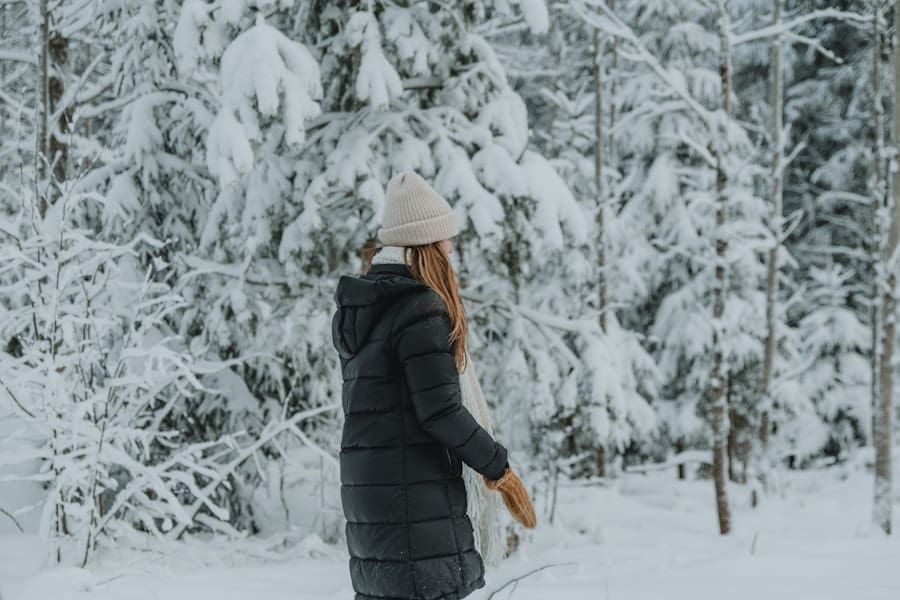
Once I have my base layer sorted, I turn my attention to mid layers, which play a vital role in providing insulation. These layers are designed to trap heat close to my body while still allowing moisture to escape. Fleece jackets and down vests are among my favorite choices for mid layers.
Fleece is lightweight and breathable, making it an excellent option for active pursuits like hiking or skiing. It provides warmth without adding unnecessary bulk, allowing me to move freely. Down insulation is another fantastic option for colder conditions.
I appreciate how down jackets offer exceptional warmth-to-weight ratios, making them easy to pack and carry when I’m on the go. However, I also consider the weather when selecting a mid layer; if there’s a chance of rain or snow, I might opt for synthetic insulation instead of down since it retains its insulating properties even when wet. Layering these mid layers over my base layer allows me to adjust my warmth level based on activity intensity and external temperatures.
Protecting Against the Elements with Outer Layers
| Outer Layer | Waterproof Rating | Breathability Rating | Windproof |
|---|---|---|---|
| Rain Jacket | 10,000mm | 10,000g | Yes |
| Hardshell Jacket | 20,000mm | 20,000g | Yes |
| Softshell Jacket | 5,000mm | 5,000g | No |
The outer layer is my shield against the harsh elements of winter. This layer is designed to protect me from wind, rain, and snow while allowing moisture from my body to escape. When selecting an outer layer, I prioritize waterproof or water-resistant materials that provide breathability.
I often gravitate toward jackets made with Gore-Tex or similar technologies that keep me dry without trapping sweat inside. In addition to waterproofing, I also consider features like adjustable hoods, cuffs, and hemlines that enhance the fit and functionality of my outer layer. A well-fitted jacket not only keeps me warmer but also prevents cold air from seeping in.
Ventilation zippers are another feature I find beneficial; they allow me to regulate my temperature during high-energy activities without having to remove layers entirely. With the right outer layer in place, I feel confident tackling whatever winter weather comes my way.
Utilizing Accessories for Extra Warmth
While the main layers are essential for staying warm, I cannot overlook the importance of accessories in completing my winter ensemble. Accessories like hats, gloves, scarves, and thermal socks play a significant role in retaining heat and protecting vulnerable areas of my body from the cold. A good-quality beanie or headband keeps my ears warm and prevents heat loss from my head, which is crucial during frigid temperatures.
I also invest in insulated gloves or mittens that allow me to maintain dexterity while keeping my hands warm. Mittens tend to be warmer than gloves since they allow my fingers to share warmth, but I often choose gloves with touchscreen compatibility for convenience when using my phone or camera outdoors. Additionally, a thick scarf can be wrapped around my neck to block cold winds and provide extra insulation.
By paying attention to these accessories, I ensure that every part of me stays warm and comfortable during outdoor adventures.
Tips for Layering for Outdoor Activities

Layering effectively for outdoor activities requires some thought and planning on my part. One of the most important tips I’ve learned is to dress in layers that can be easily added or removed based on changing conditions or activity levels. For instance, if I’m hiking uphill and start to feel too warm, I can easily shed a mid layer without having to remove everything else.
This flexibility allows me to maintain a comfortable body temperature throughout my activities. Another key consideration is choosing layers that are compatible with one another. I make sure that each layer fits well without being too tight or restrictive.
This ensures that I can move freely while still benefiting from the insulation provided by each layer. Additionally, I pay attention to the length of each layer; longer base layers can help prevent gaps between layers when I bend or stretch. By following these tips, I can create a versatile layering system that adapts seamlessly to various outdoor activities.
Layering for Different Winter Conditions
Different winter conditions call for specific layering strategies that I’ve come to understand through experience. For instance, if I’m heading out on a sunny but cold day, I might opt for lighter layers that allow for breathability while still providing warmth. In contrast, during a snowstorm or extremely cold temperatures, I prioritize thicker insulation and waterproof outer layers to protect against wind and moisture.
I also consider the type of activity I’ll be engaging in when layering for winter conditions. For high-intensity activities like skiing or snowshoeing, I prefer lighter layers that wick moisture away quickly while still providing warmth. On the other hand, if I’m planning a leisurely walk in frigid temperatures, I might choose heavier mid layers and a more robust outer shell to ensure maximum warmth and protection against the elements.
How to Properly Care for and Maintain Winter Layers
Caring for my winter layers is just as important as selecting them in the first place. Proper maintenance ensures that they perform optimally season after season. For base layers made from synthetic materials or merino wool, I typically wash them in cold water with mild detergent to preserve their moisture-wicking properties.
Avoiding fabric softeners is crucial since they can clog the fibers and reduce breathability. When it comes to outer layers, I pay special attention to their waterproofing capabilities. Many jackets require periodic reapplication of water-repellent treatments after several washes to maintain their effectiveness against rain and snow.
Following the manufacturer’s care instructions is essential; some jackets can be machine washed while others may need hand washing or special cleaning products. By taking these steps to care for my winter layers, I ensure they remain functional and comfortable throughout many winters to come. In conclusion, mastering the art of layering has transformed how I approach winter activities.
By understanding each layer’s purpose and carefully selecting materials that suit my needs, I’ve created a versatile system that keeps me warm and comfortable regardless of the conditions outside. Whether I’m hitting the slopes or taking a brisk walk through a snowy landscape, I’m grateful for the knowledge I’ve gained about layering effectively for winter adventures.
Discover Your Winter Style: Click Now to Shop
FAQs
What are the benefits of layering clothing for winter?
Layering clothing for winter provides several benefits, including better insulation, the ability to adjust to changing temperatures, and the option to remove or add layers as needed.
How many layers should I wear for winter?
It is generally recommended to wear three layers for winter: a base layer to wick moisture away from the skin, a middle layer for insulation, and an outer layer for protection against wind and water.
What materials are best for each layer?
For the base layer, choose moisture-wicking materials such as merino wool or synthetic fabrics. The middle layer should be made of insulating materials like fleece or down, while the outer layer should be windproof and waterproof, such as Gore-Tex or other technical fabrics.
How should I layer clothing for winter sports or outdoor activities?
When participating in winter sports or outdoor activities, it’s important to choose moisture-wicking base layers, insulating mid-layers, and outer layers that provide protection against wind and water. Additionally, consider the level of activity and adjust layers accordingly to avoid overheating.
What are some tips for effectively layering clothing for winter?
To effectively layer clothing for winter, start with a moisture-wicking base layer, add an insulating middle layer, and finish with a windproof and waterproof outer layer. It’s also important to consider the fit of each layer to ensure proper insulation and mobility.